

Orchard Fence Ideas
Effective Ways to Protect Your Land from Wildlife
If you own or manage an orchard, protecting your trees from wildlife is one of the most important steps to ensure long-term productivity.
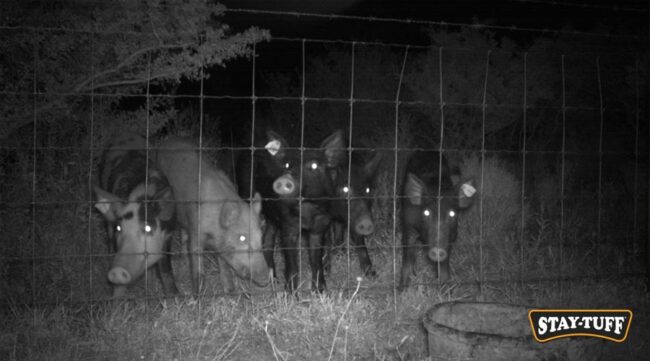
Deer, rabbits, hogs, and other animals can quickly damage young trees, eat fruit, and undo months—or even years—of work. That’s why growers often search for orchard fence ideas that balance durability, effectiveness, and long-term value.
A well-designed fencing system is more than a barrier—it’s an investment in the future of your land. In this guide, we’ll explore proven orchard fencing strategies, key factors to consider, and how modern high-tensile systems compare to traditional fencing options.
What Are the Best Orchard Fence Ideas?
Choosing the right orchard fence depends on your wildlife pressure, land size, and long-term goals. Below are some of the most effective solutions used by growers today.
High-Tensile Woven Wire Fencing
High-tensile woven wire fencing is one of the most reliable and widely recommended solutions for orchard protection.
It is designed to be strong, flexible, and resistant to animal pressure—making it ideal for keeping wildlife out without constant repairs.
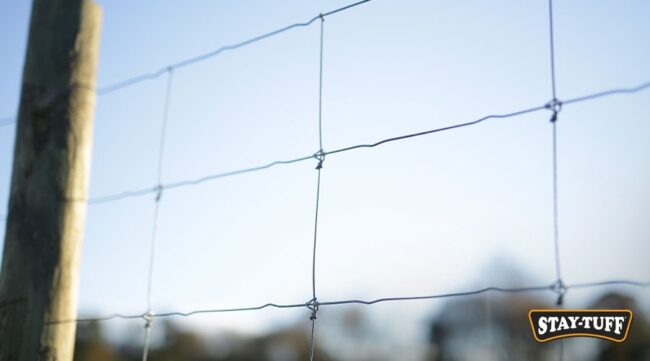
Key advantages:
High resistance to wildlife intrusion
Long lifespan due to high-carbon steel construction
Minimal maintenance over time
Prevents animals from squeezing through openings
Unlike traditional low-carbon fencing, high-tensile wire maintains its shape and tension over time, reducing sagging and long-term maintenance.
Premium systems from Stay-Tuff are engineered for agricultural environments, helping maintain structural integrity across long distances.
8-Foot Deer Exclusion Fence
A full 8-foot perimeter fence is one of the most effective long-term strategies for protecting orchards from deer.
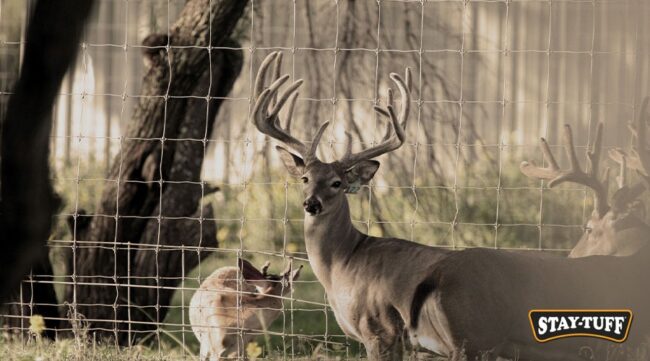
Deer can jump surprisingly high, so shorter fences often fail to provide reliable protection. A properly installed tall fence creates a physical barrier that is difficult for animals to clear or push through.
Double Fence System
In areas with extremely high deer or wildlife populations, growers sometimes install a double fence system.
This method involves installing two fences several feet apart, creating depth perception challenges for animals. Thus, animals will be less likely to attempt a jump.
While effective, it requires more space and materials than a single high fence.
Electric Fencing
Electric fencing can be used as a standalone solution or as a reinforcement to other fence types. Many orchard owners combine electric strands with woven wire fencing for maximum protection.
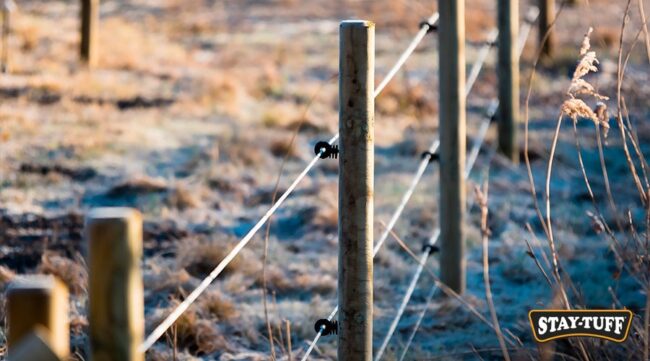
Benefits include:
Lower upfront cost
Flexible installation
Strong psychological deterrent for wildlife
Click here to learn about STAY-TUFF products for your next installation project.
Why Growers Choose Stay-Tuff
Not all fencing systems perform the same over time.
High-quality agricultural fencing is designed to:
- Maintain tension longer
- Withstand environmental stress
- Reduce maintenance needs
- Provide consistent protection against wildlife
Solutions from Stay-Tuff are built with these principles in mind, making them a reliable choice for orchard protection.
High-Tensile vs Traditional Fencing: What’s the Difference?
When comparing orchard fencing options, one of the most important distinctions is between high-tensile and traditional low-carbon wire.
High-tensile fencing:
- Maintains tension over long distances
- Resists stretching and sagging
- Requires fewer posts
- Performs better under animal pressure
Traditional low-carbon fencing:
- Easier to install initially
- More likely to stretch over time
- Requires more frequent maintenance
For large orchards and long-term use, high-tensile systems are often the preferred choice due to their durability and lower lifetime cost.*
Why Orchards Need Specialized Fencing
Unlike standard property fencing, orchard fences must be designed specifically to deter wildlife—especially deer.
Deer can:
Jump up to 8 feet
Push through weak barriers
Damage trunks, branches, and fruit
Without proper fencing, orchards face reduced yields and long-term damage to tree health.
A well-designed orchard fence protects both your harvest and your investment.
Key Factors to Consider When Choosing an Orchard Fence
Before selecting a fencing system, consider the following:
- Fence Height – At least 7–8 feet for deer protection
- Strength and Durability – Must withstand animal pressure and weather exposure
- Visibility – Visible fencing can discourage deer from jumping
- Maintenance Requirements – High-quality materials reduce long-term upkeep
Common Orchard Fencing Mistakes to Avoid
Even a well-built fence can fail if important details are overlooked. Avoid these common mistakes when planning your orchard fence.
- Installing a fence that is too short
- Using weak or low-quality materials
- Poor post spacing
- Improper tensioning
Investing in durable agricultural fencing and proper installation helps prevent these issues.
Invest smart, invest in STAY-TUFF
Investing for the future of your farm, orchard and property is a way to secure your legacy.
STAY-TUFF has the wires, fences, and panels for the protection of your orchards against the intrustion of wildlife.

You can purchase STAY-TUFF at your nearest authorized dealership today; click here to discover one.
FAQ
The best fence for an orchard is typically an 8-foot high woven wire fence made from high-tensile steel. This type of fence effectively prevents deer from jumping over or pushing through the barrier.
To stop deer effectively, orchard fencing should be at least 7–8 feet tall. Shorter fences may not provide reliable protection.
High-tensile woven wire fencing is one of the most effective solutions. Its strong construction prevents animals from forcing their way through the fence.
Electric fencing can be effective when used alongside a physical fence. It helps train wildlife to avoid the orchard area.
With proper installation, high-quality fencing can last two decades or more, making it a valuable investment for orchard owners.