

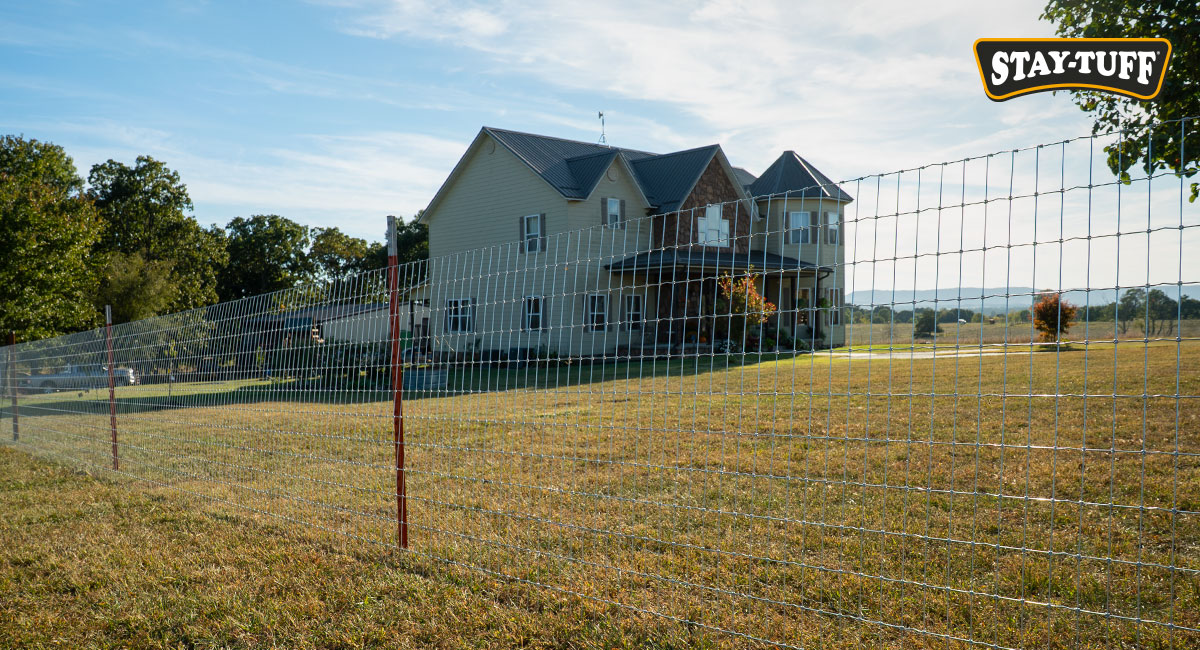
Farm Field Fence
Durable Fencing Solutions for Farms and Ranches
When managing a farm or ranch, installing a reliable farm fence is essential for protecting livestock, crops, and property boundaries.
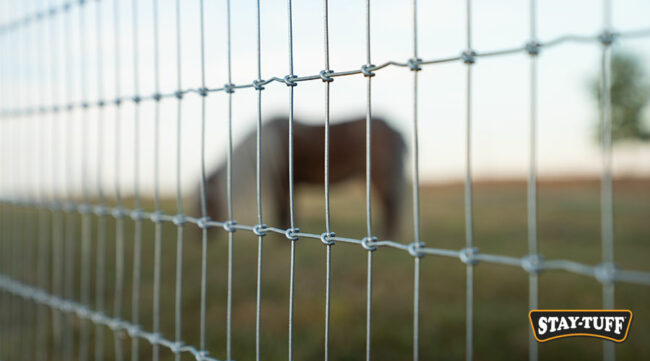
One of the leading manufacturers farmers trust for long-lasting fencing solutions is Stay‑Tuff, known for producing high-tensile woven wire fencing engineered for agricultural durability. Their fencing systems are designed to withstand harsh weather, animal pressure, and years of outdoor exposure.
STAY-TUFF is the leading manufacturer of long-lasting fencing solutions, known for its high-tensile wire fences, electric fencing, barbed wire, panels, and more. Click here to learn more.
What Is a Farm Field Fence?
It is a woven wire fencing system designed specifically for agricultural use.
It is commonly installed around livestock pastures, ranch land, crop fields, orchards and vineyards, and rural property boundaries.
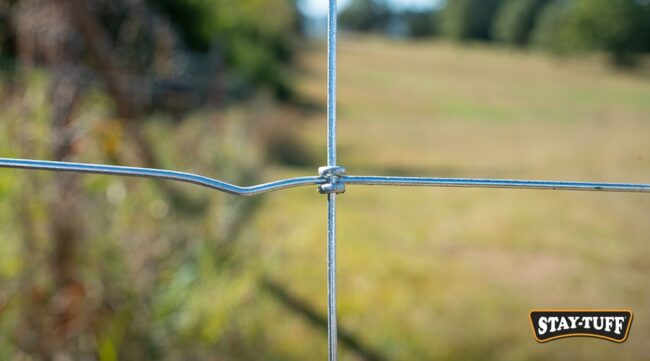
Premium fencing systems from STAY-TUFF are engineered to maintain tension over long distances while resisting sagging, making them ideal for large agricultural properties, cattle fencing, and more.
What Are the Benefits of a Farm Field Fence?
Installing a farm field fence is both a practical solution and a long-term investment.
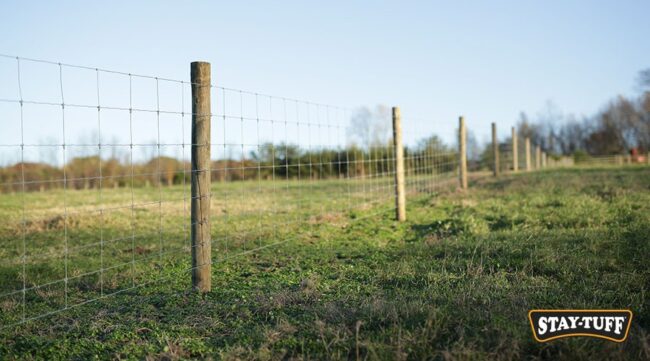
- Livestock containment: Keeps cattle, horses, sheep, goats, and other animals safely enclosed
- Predator protection: Helps prevent deer, coyotes, and other wildlife from entering your property
- Long-term durability: High-tensile steel and heavy galvanization resist corrosion and environmental stress
- Lower maintenance costs: Reduces the need for frequent repairs and replacements
What Types of Farm Field Fences Are Available?
Different farms require different fencing solutions depending on livestock type and land conditions.
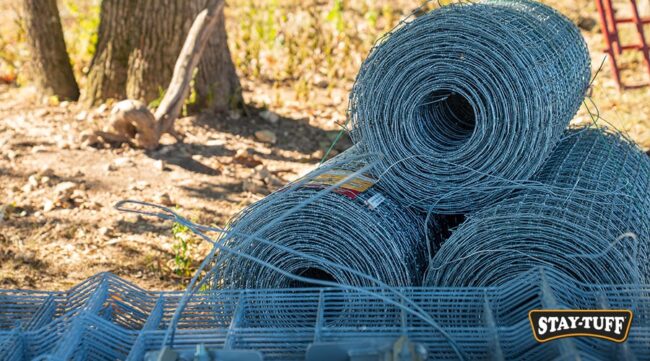
Fixed Knot Field Fence
Fixed Knot fencing is one of the most popular and strongest options available for agricultural applications.
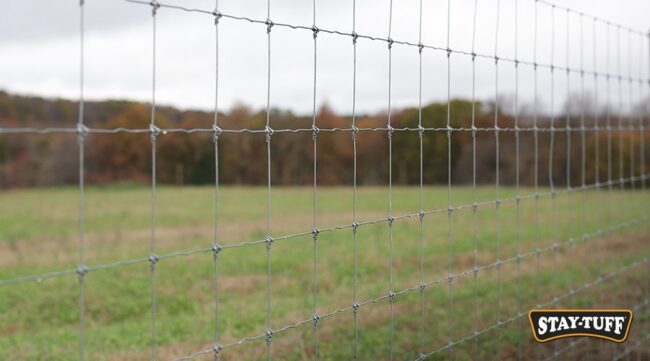
Key benefits include:
Strong vertical stays that resist animal pressure
Fixed knots that prevent wire slippage
Wider post spacing, reducing installation costs
Excellent durability for large livestock such as cattle
Hinge Joint Fence
Hinge Joint fencing features a flexible knot design combined with zinc-coated wire for enhanced durability.
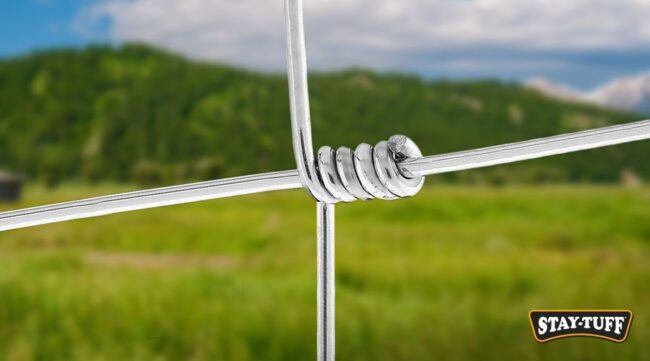
It is known for:
Flexibility under pressure
Resistance to harsh weather conditions
Reduced risk of sagging over time
Panels
Fence panels are ideal for temporary enclosures or permanent installations in smaller areas.
They are available in a variety of sizes and configurations to meet specific needs. You can learn more about them here.
Key Features to Look For
When comparing fencing products, farmers should focus on several critical features.
High-Tensile Wire
High-tensile wire provides greater strength and flexibility, allowing the fence to absorb pressure without breaking.
Heavy Galvanization
A strong zinc coating protects the steel wire from rust and corrosion, extending the fence’s lifespan.
Reliable Knot Design
Fixed-knot systems are known for providing superior structural integrity compared to traditional hinge-joint fencing.
Proper Height and Mesh Spacing
The height and spacing of wires should match the livestock being contained or the wildlife being excluded.
How to Choose the Right Field Fence for Your Farm
Selecting the correct farm field fence depends on several factors:
- The type of livestock on your farm – Different animals have unique containment needs, so selecting a fence that suits your livestock ensures effective and safe enclosure.
- Predator activity in your region – Understanding local predator threats helps you choose fencing that offers adequate protection to keep your animals safe.
- Terrain and landscape conditions – The physical features of your land affect fence design and installation methods to ensure durability and proper function.
- Required fence height – Fence height should correspond to the animals being contained or wildlife being excluded, balancing security and cost.
- Budget and long-term maintenance considerations – Evaluating upfront costs alongside expected upkeep helps you invest in a fence that is both affordable and durable over time.
A trusted manufacturer like Stay‑Tuff offers multiple fencing options designed to meet these diverse agricultural needs.
Where to purchase
STAY-TUFF fencing materials, including wires, panels, and tools, are available to purchase at all authorized distributors.
Click here to discover the nearest store to you.
FAQ
Fixed Knot fencing is often considered one of the best options for cattle because it offers superior strength and prevents wire movement when animals push against the fence.
A high-quality galvanized steel field fence can last 20 years or more, depending on environmental conditions and installation quality.
Fence height depends on its purpose. Typical heights include:
– 4–5 feet for cattle
– 4 feet for sheep or goats
– 6–10 feet for wildlife exclusion
Yes. High-tensile fencing is stronger, more durable, and requires fewer posts compared to traditional fencing systems.
Farmers can purchase durable woven wire fencing through authorized STAY-TUFF dealers, which offers multiple fencing solutions designed for agricultural applications.