

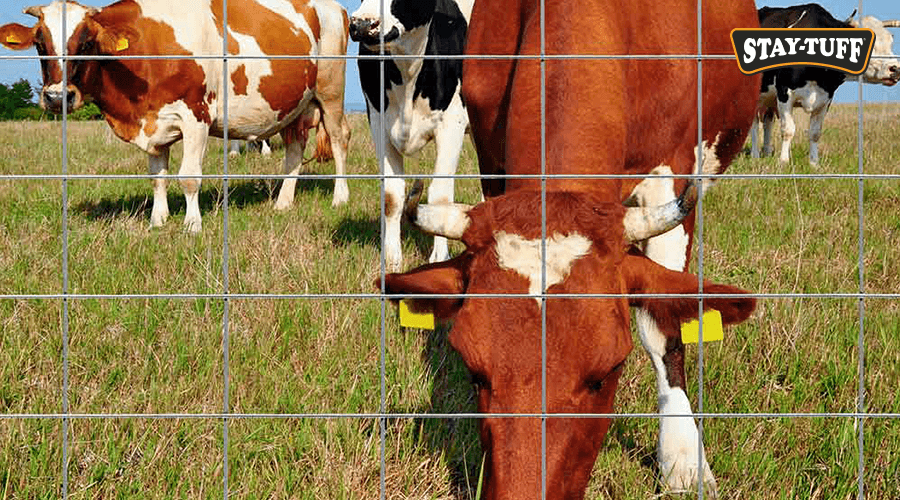
Cattle Panel Fence Guide
How to Build One That Lasts
If you keep livestock, manage a homestead, or just need a strong barrier you can put up in a weekend, a cattle panel fence is one of the most rewarding and convenient projects on your property.
The panels are rigid, don’t require stretching, and are easier to position and install than many rolled fencing products. While larger or heavier panels may require two people, their straightforward installation makes them a practical solution for farmers, ranchers, and property owners looking to complete smaller fencing projects themselves.
What is a cattle panel fence?
A cattle panel (also called a livestock panel) is a rigid welded-wire section made from heavy steel rods welded at every intersection.
Unlike rolled fencing that arrives in a coil and requires unspooling and tensioning, a panel arrives flat and ready to stand up immediately. You attach it to posts and you’re done — no stretching tools required, no complicated tensioning procedures!
A welded cattle panel maintains its rigid shape under pressure, making it well suited for corrals, catch pens, round pens, small paddocks, and other areas where animals may lean, push, or crowd.
Want stronger, low-maintenance options? Think STAY-TUFF
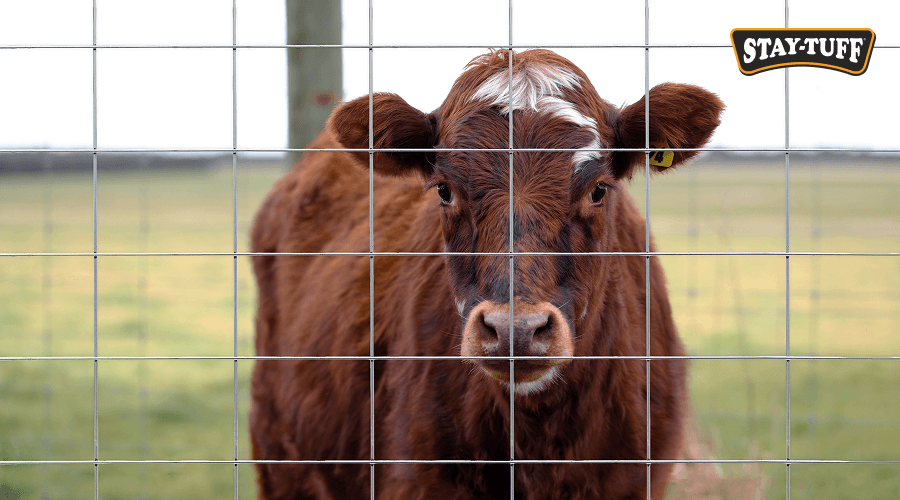
If you’re looking for a heavier-duty panel designed for long-term performance, the STAY-TUFF Welded Wire Panel is built significantly heavier than most: 50 inches tall and 16 feet long, with a 4-gauge vertical wire and 5-gauge horizontal wire.
Aditionally, STAY-TUFF offers more panel solutions, depending on your needs; discover more about them here.
How to build a cattle panel fence: step by step
This is a realistic, weekend-scale workflow for a pen or short run. Tools you’ll want on hand: bolt cutters (for trimming panels), a T-post driver, a level and string line, STAY-TUFF Post Clips or Staples, and zip ties for temporary holds.
- Plan and mark the layout for success. Start with a map or general layout or idea of the area you will be fencing with panels.
- Corner and gate posts carry more load than line posts, especially in high-pressure livestock areas. As a general guideline, use 6″–8″ wood posts or 2″–3″ steel posts set in concrete 24–36 inches deep. If using concrete, let it cure according to the manufacturer’s recommendations before hanging panels.
- Drive the line posts with precision. Set T-posts, 18–24 inches deep, keeping the tops at a consistent height.
- Stand and attach the first panel securely. Position it against the end post and secure with at least three clips — top, middle, and bottom.
- Overlap and continue for seamless strength. Overlap adjacent panels 6–12 inches and secure the joint to a shared post.
- Trim as needed for perfect fit. Use bolt cutters to cut panels to length at corners or odd spans. Cap or fold sharp cut ends to protect animals.
How long does a cattle panel fence last?
A properly installed galvanized welded cattle panel can provide years of reliable service, with its lifespan influenced by the galvanizing class, climate, soil conditions, moisture, and exposure to livestock.
The biggest variables are the galvanizing class and whether the bottom wire sits in standing water or mud. Heavier galvanization dramatically extends life: STAY-TUFF’s Class 3 galvanized coating provides significantly greater corrosion resistance than Class 1 coatings, helping extend the service life of the fence in demanding environments.
Two habits stretch panel life significantly: keep the bottom rail above chronic moisture, and protect cut ends and weld points, which are where rust starts first.
Benefits of cattle panel
- No tensioning required. Rigid panels stand on their own; no stretchers, no come-alongs.
- Fast, DIY-friendly install. Most builds need only basic tools and one or two people.
- Outstanding strength in pens. They hold shape under crowding and leaning far better than loose wire.
- Reusable and movable. Clipped panels can be taken down and reset for new layouts.
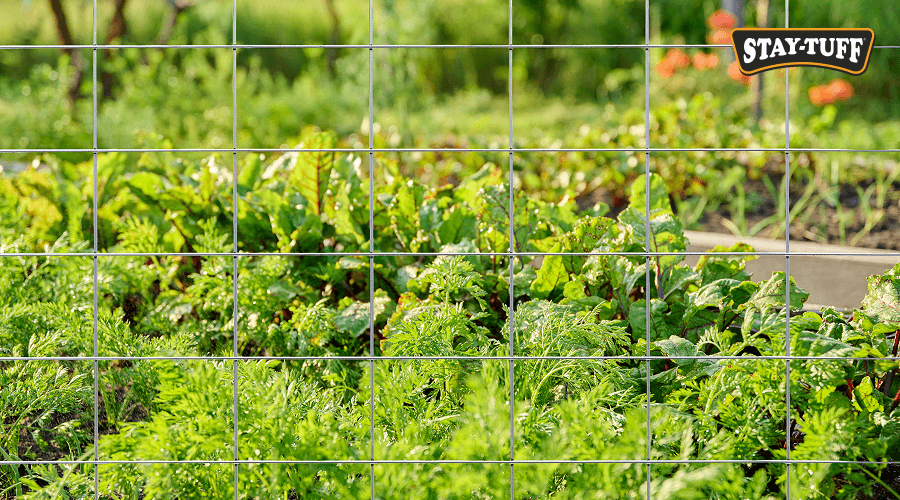
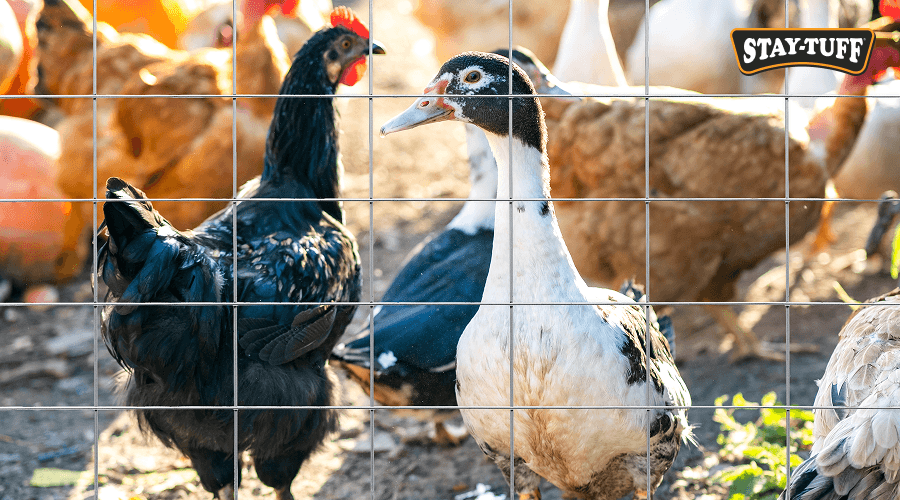
- Incredibly versatile. The same panel works for corrals, garden beds, trellises, and temporary enclosures.
Build it once, build it right, build it with STAY-TUFF
A cattle panel fence is hard to beat for pens, corrals, and weekend projects — strong, fast, and forgiving. As a general guideline, install posts at each panel end with additional support as needed for your soil conditions, livestock pressure, and fence layout. Protect the galvanizing at cut ends to help prevent corrosion and extend the life of your fence.
A fixed-knot fence can be a better fit for longer runs and changing terrain, helping your fence follow the contours of the ground while providing long-term performance.
Not sure which is right for your operation? STAY-TUFF has been helping farmers, ranchers, and contractors build fencing solutions designed for long-term performance since 2000.
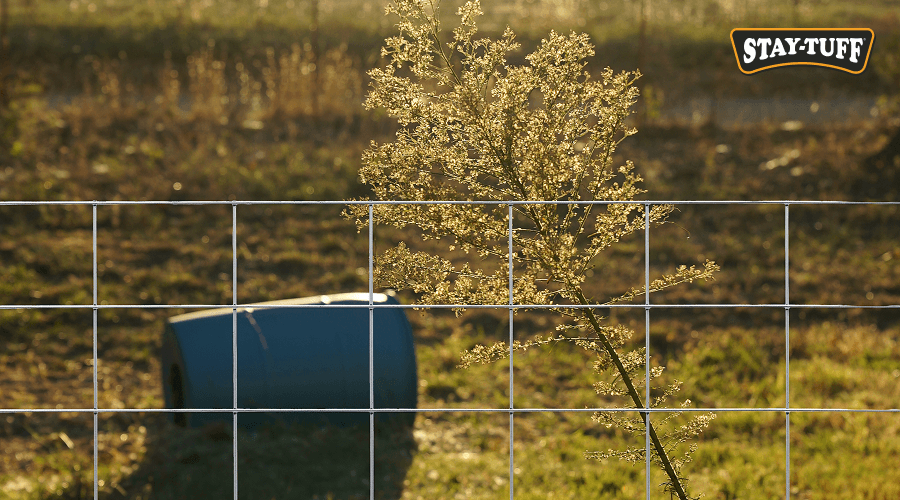
Find out where you can purchase STAY-TUFF here.
Frequently Asked Questions
What is the difference between cattle panels and cattle fencing?
Cattle panels are rigid, pre-welded sections that need no tensioning and shine in pens and corrals. Cattle fencing usually means rolled wire that comes in long coils and is tensioned for perimeter runs. Cattle panels are commonly used for pens, corrals, and smaller contained areas, while rolled livestock fencing is often preferred for longer perimeter runs and pastures. The right choice depends on your livestock, terrain, and the specific requirements of your operation.
How far apart should posts be for a cattle panel fence?
A post at each end of a panel plus one in the middle. Tighten in soft soil, bull pens, or high-pressure areas.
How long does a cattle panel fence last?
A galvanized panel typically lasts 15–20 years or more. Heavier galvanization (Class 3) and keeping the bottom wire out of standing water extend life significantly.